
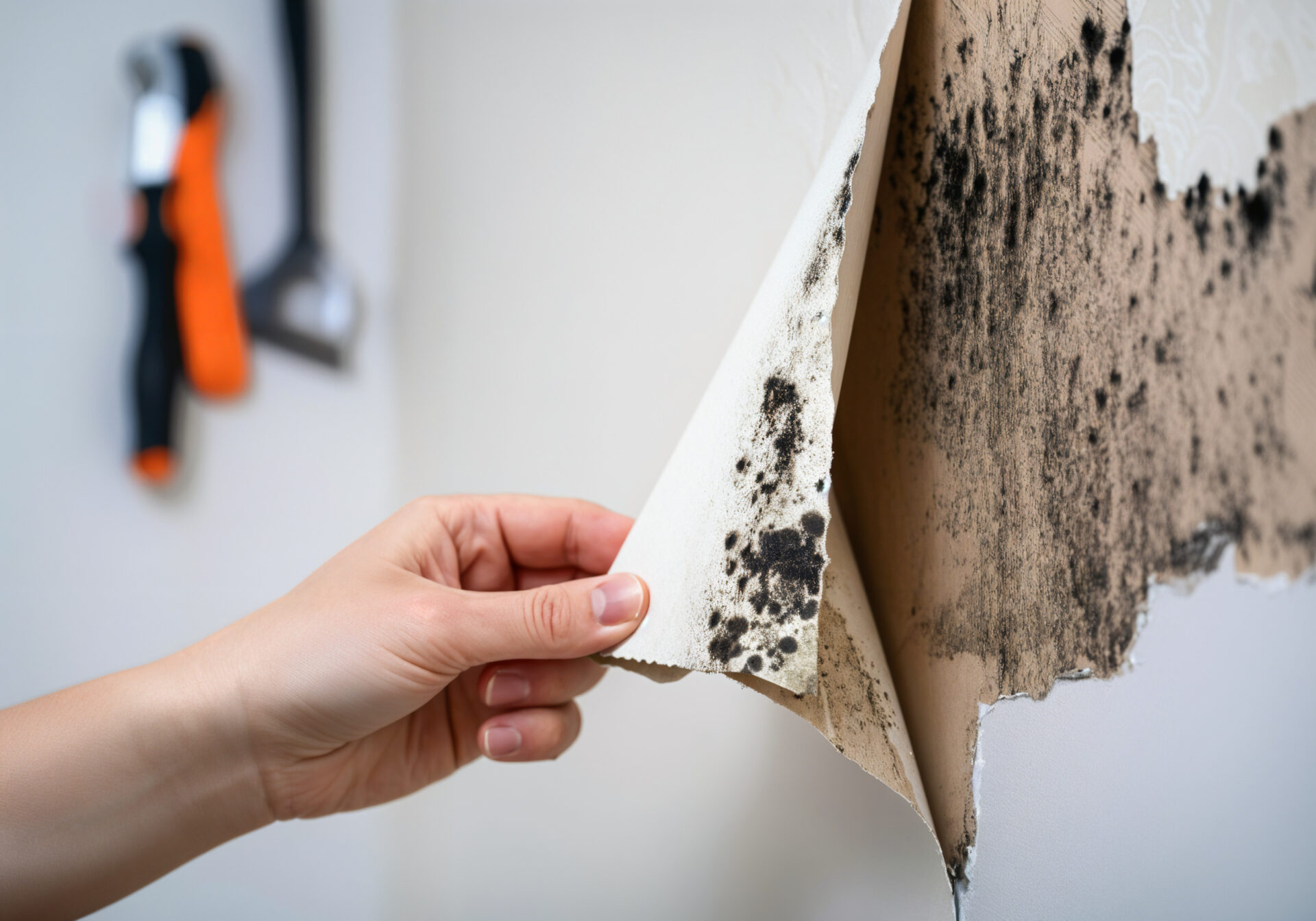
In this post, we explore the link between mold exposure and Parkinson’s-like symptoms, and why it is often missed.
Imagine noticing a small tremor in your hand. Then your balance feels a little off. You forget words mid-sentence, your legs tingle at night, and you feel tired no matter how much you sleep. It is natural to worry about something serious like Parkinson’s disease, MS, or early memory loss.
Sometimes that is exactly what needs to be checked. But sometimes there is another piece of the puzzle hiding in plain sight: mold.
At One Living Clinic, we see many people whose nervous system symptoms improved once we found and addressed mold exposure. In this post, we will walk through why mold can mimic neurological disease, what the research says, and how we can help.
What Is Mold Toxicity?
Mold grows anywhere water hangs around: a slow leak under the sink, a damp basement, an old roof, a flooded crawl space. As it grows, mold releases two main things into the air:
- Mycotoxins: tiny toxic compounds that can be breathed in, swallowed, or absorbed.
- Mold VOCs (volatile organic compounds): the gases that give mold its musty smell.
Most people can clear small exposures without trouble. But some bodies have a harder time. Genetics (like MTHFR, HLA, and other detox gene variations), a heavy toxic load, ongoing stress, or a weak immune response can all make it harder to clear these toxins. When that happens, they can build up and keep the body in a constant state of inflammation.
And the brain and nerves are very sensitive to inflammation.
Symptoms That Can Overlap
Mold-related illness can affect almost any system in the body, but the nervous system is often hit hard. Symptoms that can look neurological include:
- Tremors or shaky hands
- Balance problems, dizziness, or vertigo
- Numbness, tingling, or “electric” feelings in the hands and feet
- Muscle twitching, cramps, or weakness
- Brain fog, poor memory, and trouble finding words
- Slowed thinking or reaction time
- Headaches and light sensitivity
- Anxiety, low mood, or irritability
- Deep fatigue that rest does not fix
- Trouble regulating heart rate, blood pressure, or body temperature
Many of these also show up with Parkinson’s, MS, neuropathy, or early dementia. That is why mold can be easy to miss.
What Does the Research Say?
One of the most interesting studies came from Rutgers University. Researcher Joan Bennett became sick while cleaning up her flood-damaged home after Hurricane Katrina, and she wanted to understand why. Her team tested a common mold gas called 1-octen-3-ol (sometimes called “mushroom alcohol”) on fruit flies.
What they found: exposed to this compound had trouble moving, lost dopamine nerve cells, had lower dopamine levels, and died sooner than flies that were not exposed. Dopamine is the same brain chemical that drops in Parkinson’s disease. The researchers also found that the damage was worse in flies with gene changes affecting how dopamine is made and stored, which suggests the compound may play a role in Parkinson’s, especially in people who are genetically sensitive.
It is important to be honest here: this was a study in flies, not people. It does not prove that mold causes Parkinson’s. But it gives us a real, biological reason to take mold seriously when someone has movement or nervous system symptoms, especially if they have a history of water-damaged buildings.
Why Mold Gets Missed
- Standard blood work and brain scans usually do not test for mold.
- Symptoms come and go, which can make them seem random.
- Symptoms often start slowly, months or years after moving into a damp home or workplace.
- Not everyone in the same building gets sick, so family members may feel fine.
- Many people do not realize they have hidden water damage.
Clues That Mold Might Be Part of Your Story
Ask yourself:
- Did symptoms start or get worse after a move, a leak, a flood, or a remodel?
- Do you feel better when you travel and worse when you come home?
- Does your home, car, or workplace ever smell musty?
- Do you have many symptoms across different body systems that no one can tie together?
- Are you very sensitive to smells, chemicals, or medications?
- Have you been told your tests are “normal” but you still do not feel like yourself?
If you said yes to a few of these, it may be worth looking deeper.
An Important Note
Mold is not the answer for everyone, and this post is not meant to replace care from your neurologist or primary doctor. If you have a Parkinson’s, MS, or other diagnosis, please keep working with your medical team. Our goal is to work alongside them and look for hidden contributors that may be adding to your symptom load.
If you ever have sudden weakness on one side, face drooping, trouble speaking, or a sudden severe headache, call 911 right away.
How We Can Help at One Living Clinic
At One Living Clinic in Ferndale, WA, we look at the whole person, not just a list of symptoms. Our team, including Dr. Summer Beattie, ND, Rehema Stuckey,Master Aesthetician,and Andi Rainville, RN, NC, brings together integrative, bioregulatory, and functional medicine to find root causes and support your body’s natural ability to heal.
1. We listen and look for patterns
We start with a detailed health and environmental history. Where have you lived and worked? When did symptoms start? What makes them better or worse? Your story often holds the biggest clues.
2. We test, not guess
Depending on your needs, this may include:
- Urine mycotoxin testing
- Inflammatory and immune markers
- Nutrient and detox pathway testing
- Genetic insights (such as MTHFR and other detox genes)
- Autonomic Response Testing (ART) to help guide what your body is ready for
3. We help you remove the source
Healing is very hard while exposure continues. We will guide you on home testing and point you toward qualified mold inspectors and remediation resources.
4. We build a gentle, step-by-step detox plan
Detox should never be rushed, especially for a sensitive nervous system. Your plan may include:
- Binders to help carry toxins out of the body
- Liver, gut, and lymphatic support
- Heavy metal support when needed, since mold and metals often travel together
- Adaptogens and calming herbs for the nervous system
- A sleep support plan, because the brain does much of its clean-up while you sleep
5. We support your nervous system and brain with in-clinic therapies
- EBOO ozone therapy to support circulation, oxygen use, and the body’s own clean-up processes
- Photobiomodulation (red and near-infrared light therapy), including transcranial light for brain support
- Neural therapy to help calm stuck or overactive nerve signaling
- Lymphatic drainage support to help move toxins out
- Nervous system regulation sessions to help your body shift out of “fight or flight” and into “rest and repair”
- Vibration plate and rebounder guidance to keep the lymph moving at home
- Customized IV support
- Dental and biological load review, since hidden dental issues can add to the burden
6. We track your progress
We follow up with labs and symptom tracking so you can see what is changing and we can adjust your plan as you heal.
Simple Steps You Can Take Today
- Walk through your home and look for stains, soft spots, peeling paint, or musty smells.
- Keep indoor humidity under 50 percent. A small hygrometer is an easy way to check.
- Fix leaks quickly and dry any wet areas within 24 to 48 hours.
- Run a good HEPA air purifier in your bedroom.
- Drink plenty of clean, filtered water.
- Move your body gently every day to help your lymph flow.
- Protect your sleep. It is one of your brain’s best healing tools.
You Deserve Answers
If you have been living with neurological symptoms that do not quite add up, you are not imagining it, and you are not alone. Sometimes the answer is not only in the brain, but in the environment around us.
We would love to help you find your missing pieces. Reach out to schedule a consultation at onelivingclinic.com.
This article is for educational purposes only and is not medical advice. Please talk with your healthcare provider before making changes to your care.
Sources
- Inamdar AA, et al. Fungal-derived semiochemical 1-octen-3-ol disrupts dopamine packaging and causes neurodegeneration. PNAS, 2013. https://www.pnas.org/doi/10.1073/pnas.1318830110
- Rutgers University: Symptoms of Parkinson’s Disease Linked to Fungus. https://www.rutgers.edu/news/symptoms-parkinsons-disease-linked-fungus
- Nursing Times: Role of fungal mould in Parkinson’s investigated. https://www.nursingtimes.net/news/role-of-fungal-mould-in-parkinsons-investigated-18-11-2013/
Oct 5, 2026 · By Andi Rainville, RN, NC | One Living Clinic
© 2026 One Living Clinic & Andreanna Rainville RN, LLC. All rights reserved.